
Discover Gran Canaria
Explore Places And Services Across Gran Canaria
Island Guide
Discover Gran Canaria
249+ places across Gran Canaria. Restaurants, beaches, hotels, boat trips and things to do, in one independent guide.

Car Rental
Hire a car at the airport and get up into the mountains

LC Lavanderías
A washing stop geared to
Travel Tip
One Airport, Both Directions
Gran Canaria Airport sits on the east coast between the capital and the south: under half an hour to Las Palmas, and under half an hour to Playa del Inglés.

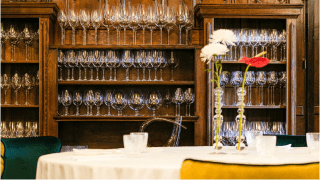
El Rincón del Bolero
A theatre-style room for romantic

LPA Taxi Aeropuerto
A young city company built

Restaurants
Harbour fish, Canarian cooking & city dining

La Esterlicia Souvenirs
Gift stop mixing kitchen curiosities

Farmacia Primero de Mayo
The bricks-and-mortar home of Farmabox,

City Money Exchange
A port-district money-changing office with
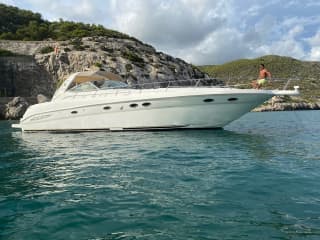

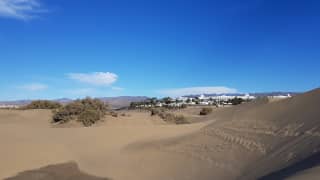

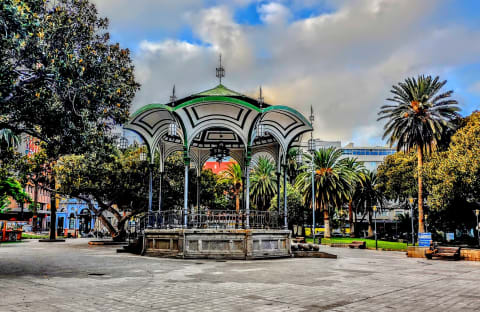
San Telmo Park
Where travellers step off the

Accommodation
Resort hotels, apartments & city stays
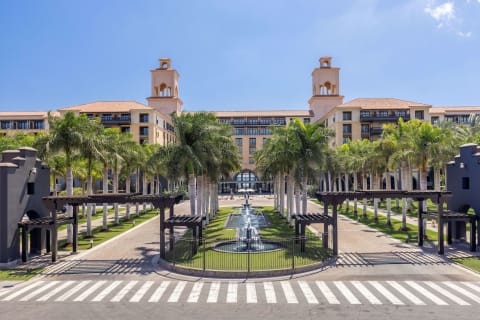
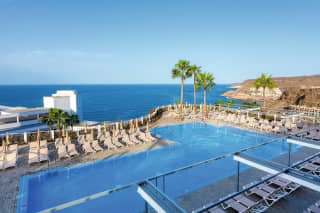
Lopesan Costa Meloneras, Resort & Spa
Garden terraces and plazas laid
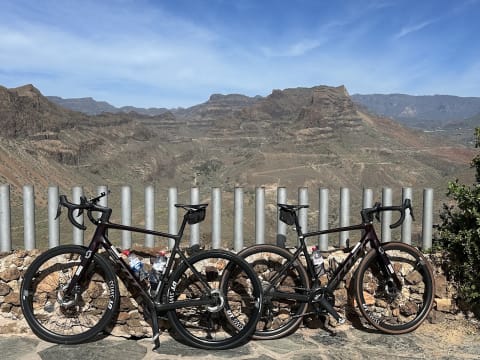
Cyclo Canaria
Owner-run shop at the El

Cindrela's
Family fashion and holiday keepsakes


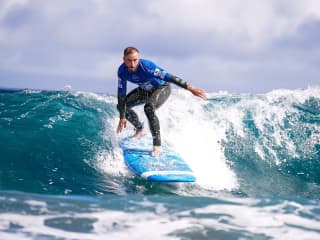

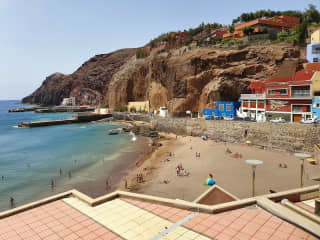
Playa de Amadores
A Mogán resort beach shaped

Attractions
Roque Nublo, the dunes, Teror & museums

Buga Ramen Gran Canaria
Spain-wide chain that serves its
Food & Drink
Almonds from Tejeda
Tejeda, high in the mountains and listed among the most beautiful villages in Spain, is famous for its almond trees, which flower in spring.

Sercotel Playa Canteras
Contemporary interiors and an Italian





369Clean by Emanuele
A franchise laundromat with a
Explore by category
Explore Gran Canaria
From the capital's city beach and the southern dunes to the harbour villages, Roque Nublo and the green north. Every corner of Gran Canaria by category.





Around the island
Around Gran Canaria
From the capital in the north-east and the resorts of the south coast to the harbour villages, the green north and the mountains in the middle.


Tours & Tickets
Tours and Things to Do in Gran Canaria
Boat trips, island tours, walking tours and day trips across Gran Canaria, via GetYourGuide.


Gran Canaria beaches: which suits whom
The city beach at Las Canteras, the long sand by the Maspalomas dunes, the calmer south-west and the rock pools at Agaete: what each is like, and who it suits.

Getting around Gran Canaria
The GC-1 and the numbered roads, slow mountain driving, the rules and the parking lines, hiring a car at the airport, buses, taxis, and when no car is needed.

Gran Canaria Airport to the resorts
Getting from Gran Canaria Airport to the south coast, Las Palmas or Puerto de Mogán: hire car, transfer, taxi or bus, the drive times and the catches.

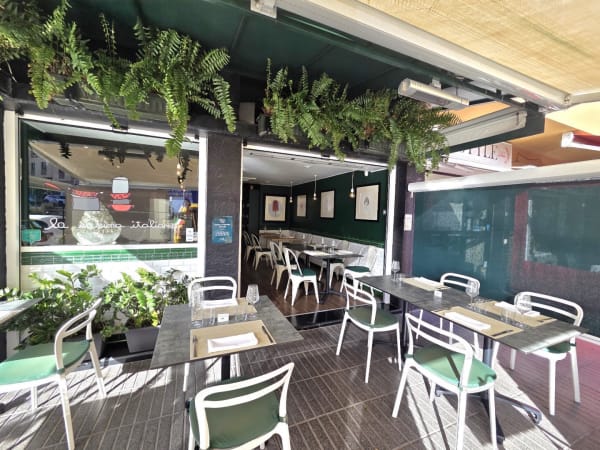
Recently Added in Gran Canaria
The newest businesses to join the directory.

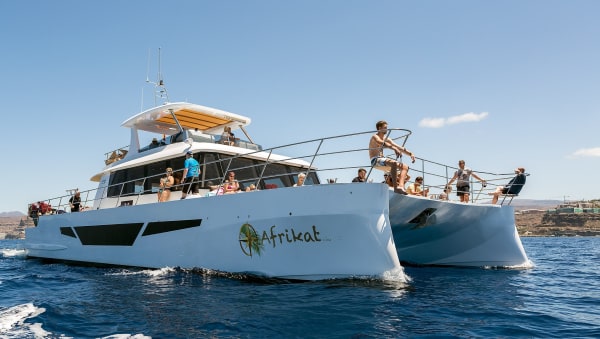
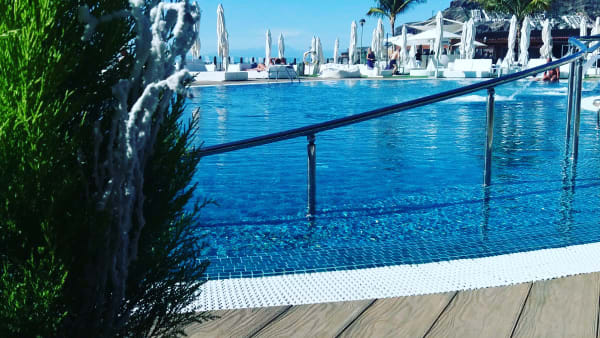

Get out on the island
Get beyond the resorts
Roque Nublo, Teror and Agaete are all day trips from the coast. Most cars in the search are handed over at Gran Canaria Airport, under half an hour from Las Palmas and from Playa del Inglés, so compare them before you land.
Book a carCommon questions
Common Questions
Any month works. The south coast, where most visitors stay, is warm all year, and its busiest season is winter, when people come for the sun. The north is cloudier and greener, and the mountains are cooler: the island's tourist board advises warm clothes at the Pico de las Nieves viewpoint, which is above 1,400 metres. In spring, the mountain village of Tejeda is known for its almond trees in flower.
A week covers the island comfortably. The resorts from San Agustín to Meloneras are all within 35 minutes of the airport, so the beach costs little travel time. The rest is day trips by car: Las Palmas is 47 minutes from Playa del Inglés, Roque Nublo 65 minutes from Maspalomas and Agaete 77. Give each of those a day, add the dunes and a harbour village such as Puerto de Mogán, and spend the rest on the coast.
Not if you plan to stay on one stretch of the south coast, but the mountains and the north are far easier with one. Most cars in the search on this site are handed over at Gran Canaria Airport, a smaller pool is delivered to an address on the south coast, and there are no cars to collect in Las Palmas itself. Each car states its own conditions, some need a physical credit card in the main driver's name, and every hire car must stay on paved public roads.
The south for beaches and sun, Las Palmas for a city. Maspalomas, Playa del Inglés, Meloneras and Puerto Rico hold most of the island's beds, the most dependable sunshine and the dunes. Las Palmas de Gran Canaria, in the north-east, is a real working capital with its own city beach, Las Canteras, and the old quarter of Vegueta. Playa del Inglés to Las Palmas is 47 minutes by car, and the airport sits between them, under half an hour from each.
Book before you go. Access to the S-70 trail, the path up to the rock, needs a prior reservation, and entry is checked by QR code. Parking around Roque Nublo is prohibited, so leave the car at the park-and-ride in Tejeda village or at Cruz de los Llanos and take the shuttle: about 30 minutes from Tejeda, about 10 from Cruz de los Llanos. Without a car, bus line 18 runs between the Faro de Maspalomas and Roque Nublo three times a day in each direction.
Yes, on the marked paths. The Dunas de Maspalomas are a protected nature reserve of about 400 hectares, and the island government and the town hall say they will stay open to the public, but visitors must keep to the 8 kilometres of paths marked out with bollards. Signs in the reserve warn that leaving the path and walking across the dunes is prohibited, and camping is not allowed. The Maspalomas lighthouse, first lit in 1890, stands beside them.
Any month works. The south coast, where most visitors stay, is warm all year, and its busiest season is winter, when people come for the sun. The north is cloudier and greener, and the mountains are cooler: the island's tourist board advises warm clothes at the Pico de las Nieves viewpoint, which is above 1,400 metres. In spring, the mountain village of Tejeda is known for its almond trees in flower.
Not if you plan to stay on one stretch of the south coast, but the mountains and the north are far easier with one. Most cars in the search on this site are handed over at Gran Canaria Airport, a smaller pool is delivered to an address on the south coast, and there are no cars to collect in Las Palmas itself. Each car states its own conditions, some need a physical credit card in the main driver's name, and every hire car must stay on paved public roads.
Book before you go. Access to the S-70 trail, the path up to the rock, needs a prior reservation, and entry is checked by QR code. Parking around Roque Nublo is prohibited, so leave the car at the park-and-ride in Tejeda village or at Cruz de los Llanos and take the shuttle: about 30 minutes from Tejeda, about 10 from Cruz de los Llanos. Without a car, bus line 18 runs between the Faro de Maspalomas and Roque Nublo three times a day in each direction.
A week covers the island comfortably. The resorts from San Agustín to Meloneras are all within 35 minutes of the airport, so the beach costs little travel time. The rest is day trips by car: Las Palmas is 47 minutes from Playa del Inglés, Roque Nublo 65 minutes from Maspalomas and Agaete 77. Give each of those a day, add the dunes and a harbour village such as Puerto de Mogán, and spend the rest on the coast.
The south for beaches and sun, Las Palmas for a city. Maspalomas, Playa del Inglés, Meloneras and Puerto Rico hold most of the island's beds, the most dependable sunshine and the dunes. Las Palmas de Gran Canaria, in the north-east, is a real working capital with its own city beach, Las Canteras, and the old quarter of Vegueta. Playa del Inglés to Las Palmas is 47 minutes by car, and the airport sits between them, under half an hour from each.
Yes, on the marked paths. The Dunas de Maspalomas are a protected nature reserve of about 400 hectares, and the island government and the town hall say they will stay open to the public, but visitors must keep to the 8 kilometres of paths marked out with bollards. Signs in the reserve warn that leaving the path and walking across the dunes is prohibited, and camping is not allowed. The Maspalomas lighthouse, first lit in 1890, stands beside them.